For many Filipino families, choosing a medicine involves more than following a prescription. The cost of treatment can also influence healthcare decisions, particularly for households managing recurring medical needs. This made public awareness about generic medicines an important part of the conversation during this year’s Generics Awareness Month.
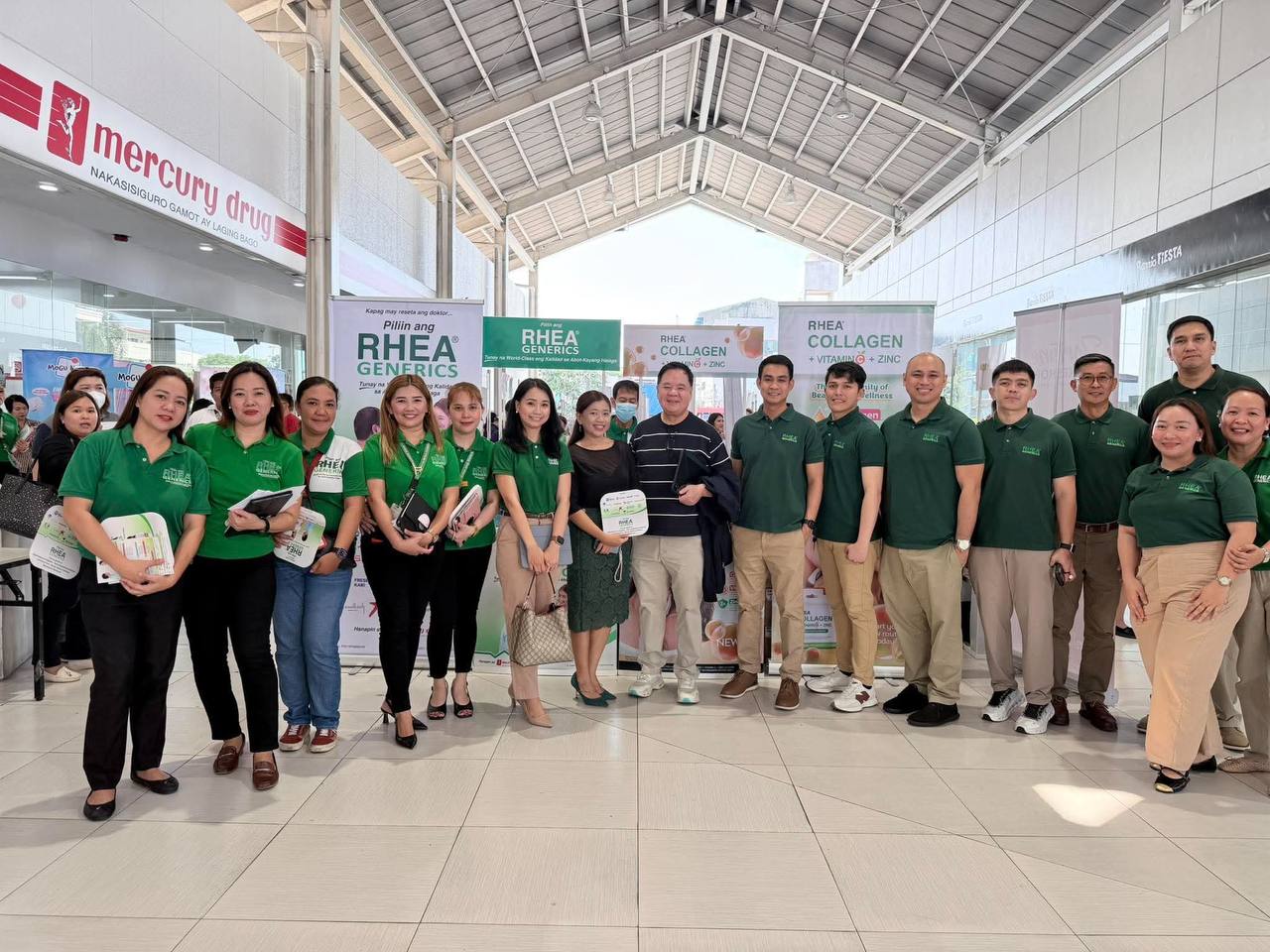
On September 30, Mercury Drug brought that conversation closer to communities through a nationwide activity centered on health education, consumer awareness, and accessible medical services, with RHEA Generics joining the drugstore chain in the initiative.
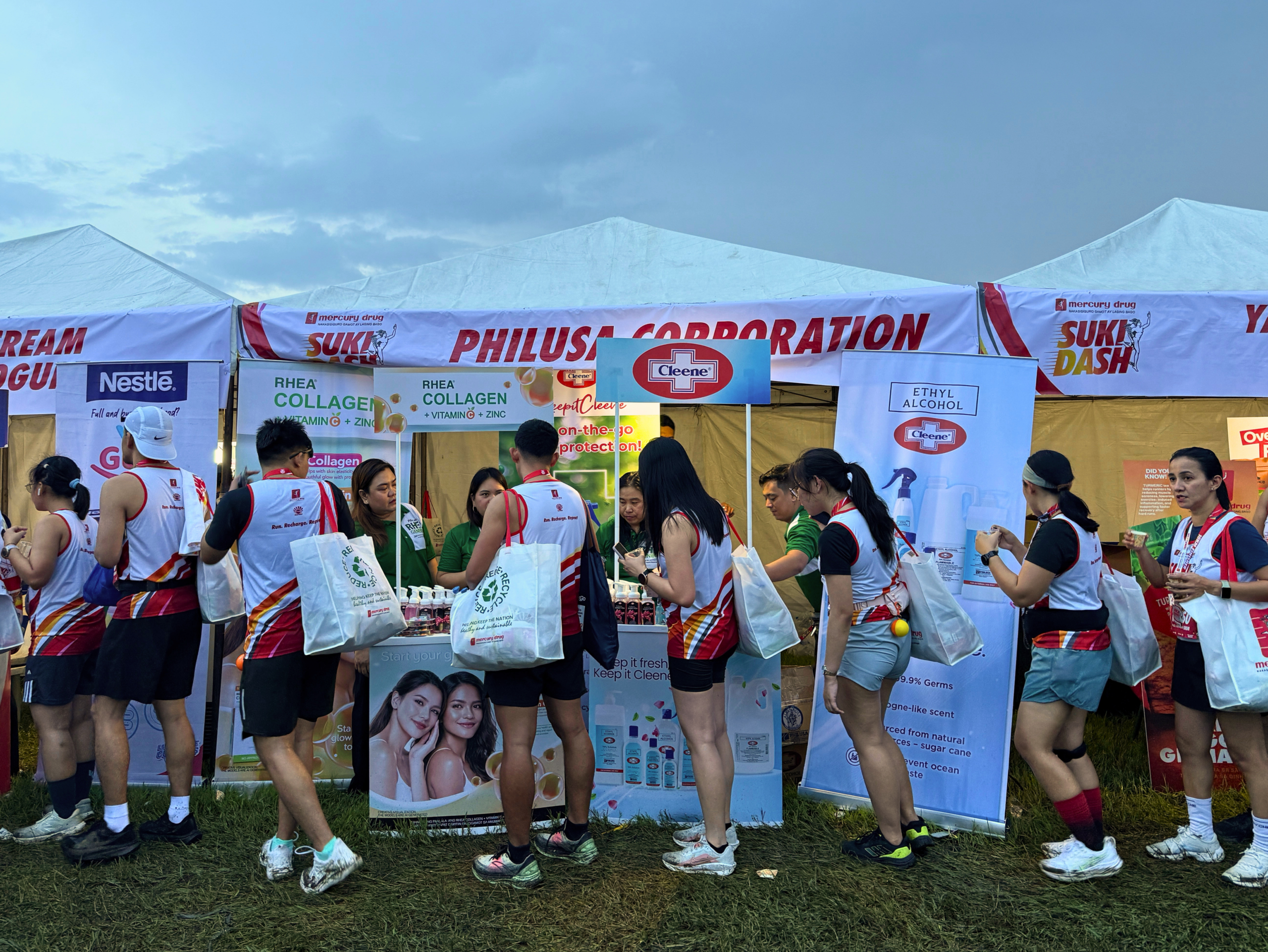
Held under the theme “Kalusugan ng Bawat Pilipino, Generics Katuwang Mo,” the main activity was held at Mercury Drug Cainta Q-Plaza. The program brought together consumers, healthcare professionals, and participating pharmaceutical and healthcare companies for a discussion on generic medicines, alongside services that addressed more immediate health concerns.
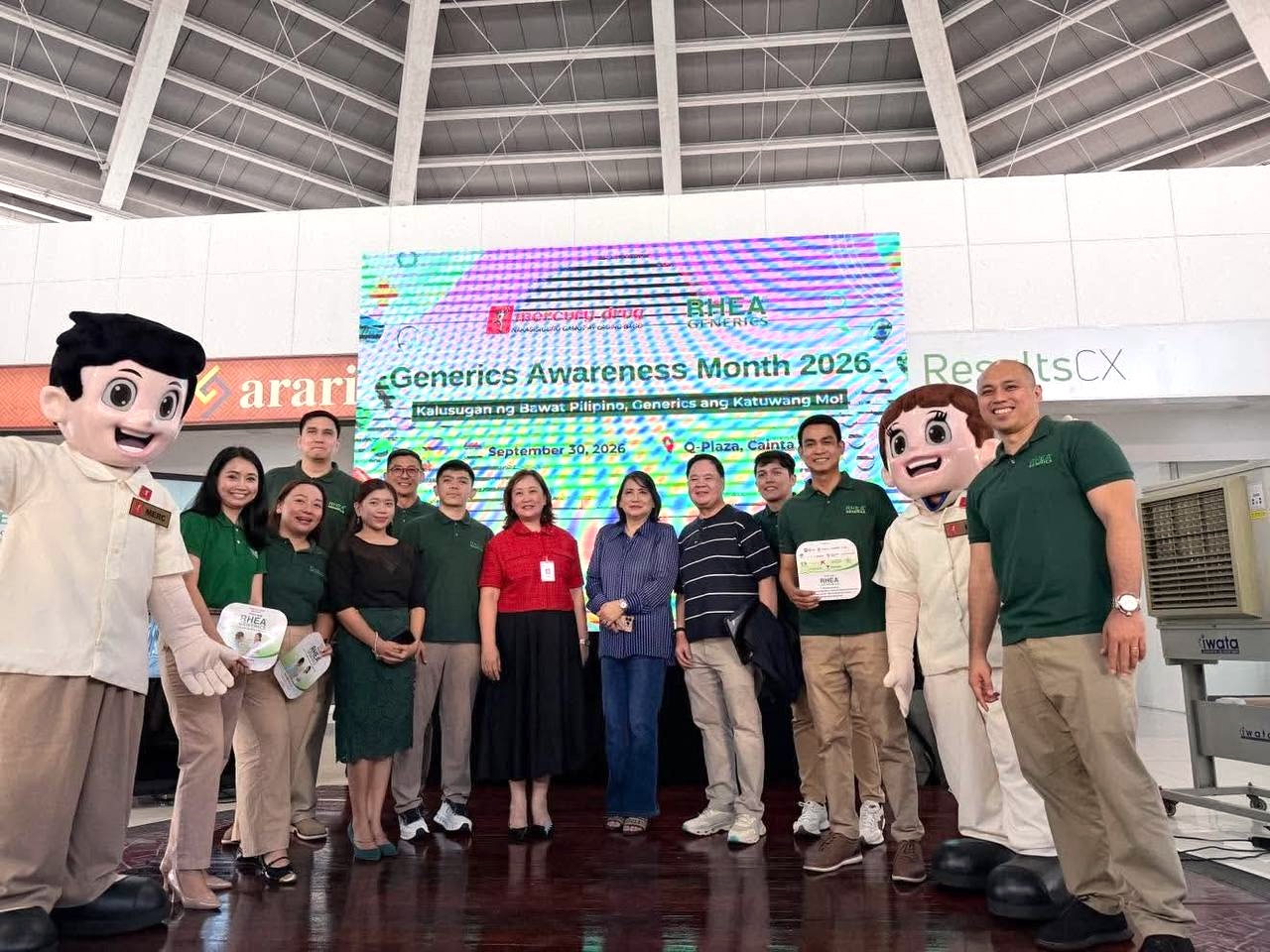 The morning program began at 9:00 a.m., followed by a free clinic from 10:00 a.m. to 4:00 p.m. Consumers could have their blood pressure and blood glucose checked and consult with doctors at no cost. Patient education activities and partner booths were also available throughout the day.
The same services were made available in four other Mercury Drug branches: Manila President Quirino, Retiro Mayon, Kalookan Monumento, and Manila Sta. Cruz–Oroquieta San Lazaro. Their free clinics ran from 9:00 a.m. to 4:00 p.m.
Nine doctors were deployed across the participating branches, supported by health screening teams and personnel who assisted with the day’s activities.
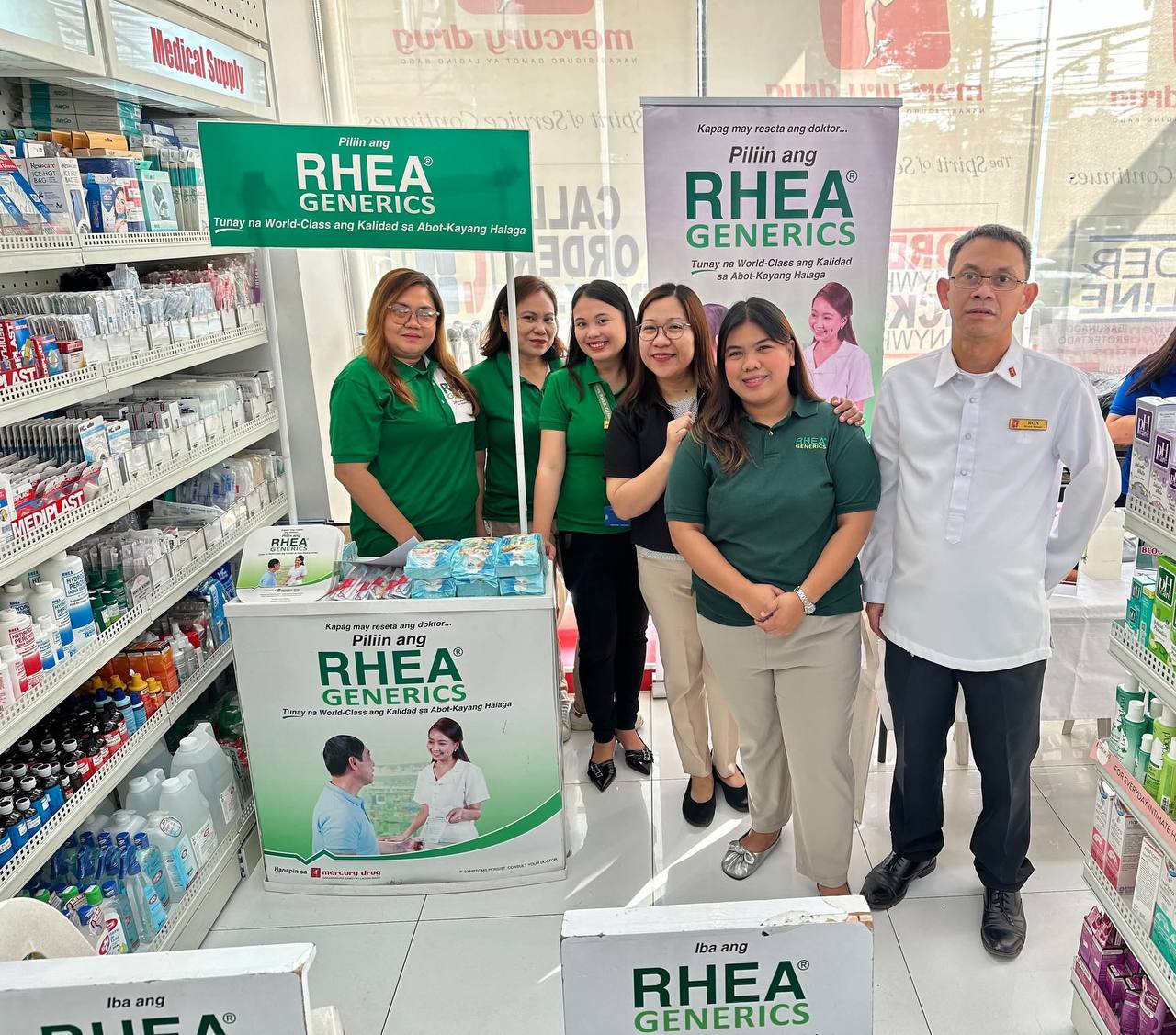
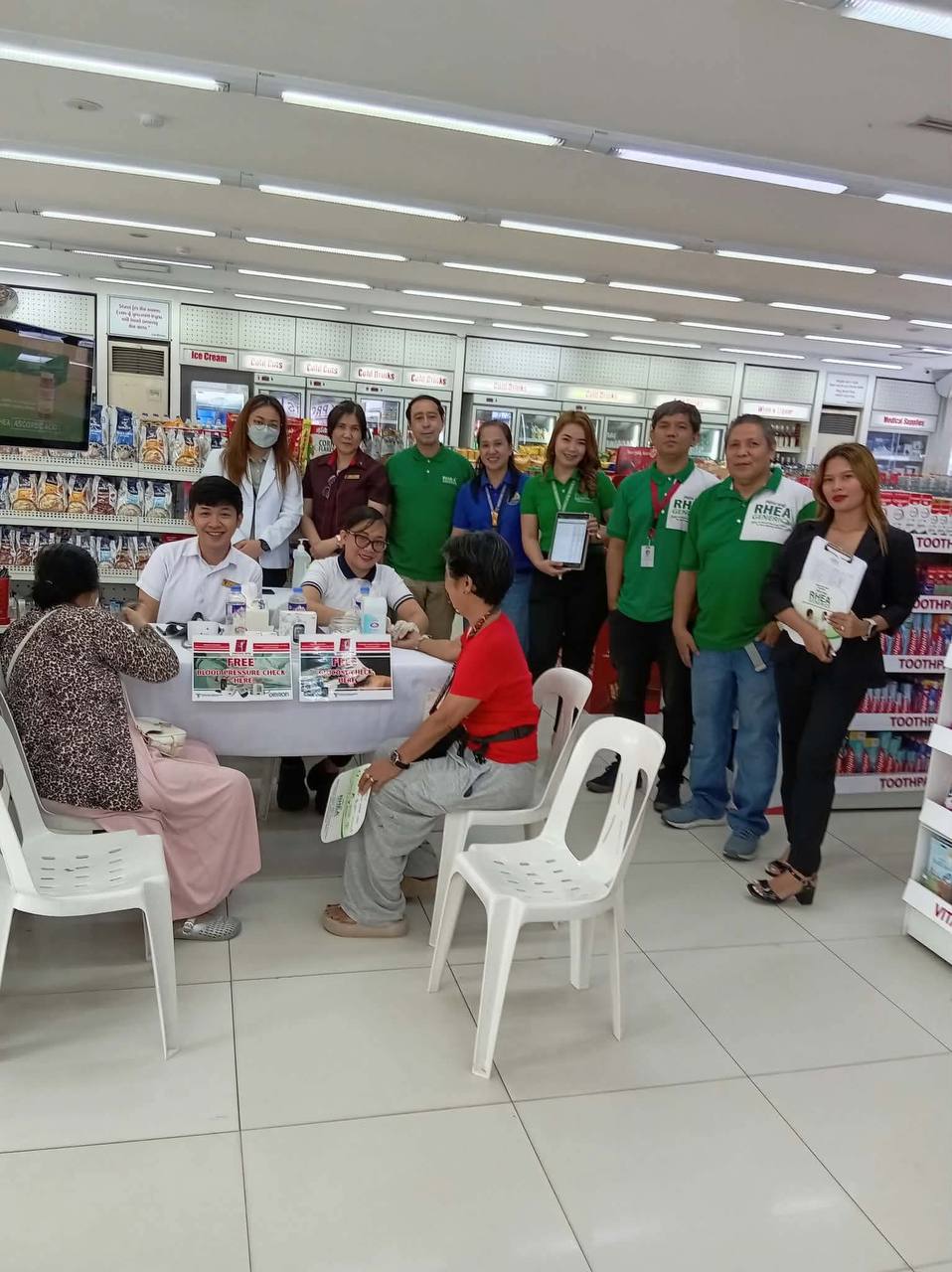
The multi-location setup gave the observance a practical community focus. Alongside discussions about generic medicines, consumers were able to access basic health services and speak directly with healthcare professionals about their health concerns and medicine options.
For RHEA Generics, its participation fortifies the brand’s continuing commitment to making world-class quality medicines more accessible to Filipino families. The advocacy centered not only on affordability, but also on helping consumers make more informed decisions about their medicines with the guidance of healthcare professionals.
“For many Filipino families, healthcare decisions also mean making difficult choices about what they can afford. At RHEA Generics, we believe affordability should not mean compromising on quality. Our commitment is to help make world-class quality medicines more accessible sa abot-kayang halaga, while empowering Filipinos to become more informed about their health and the medicine choices available to them,” said Giezel Sarmiento, Marketing Head of the Pharmaceutical Business Unit.
The campaign offered a reminder that generics awareness is ultimately about more than knowing that a lower-cost medicine exists. It is about giving patients enough information to ask the right questions, seek proper medical advice, and consider the options available to them.
For RHEA Generics, the occasion provided another avenue to put its commitment to quality and affordability into practice, while contributing to a broader public conversation about informed medicine choices and accessible healthcare for Filipino families.